




From Malabar to Your Kitchen: The Journey of NMDC Spices, Season by Season
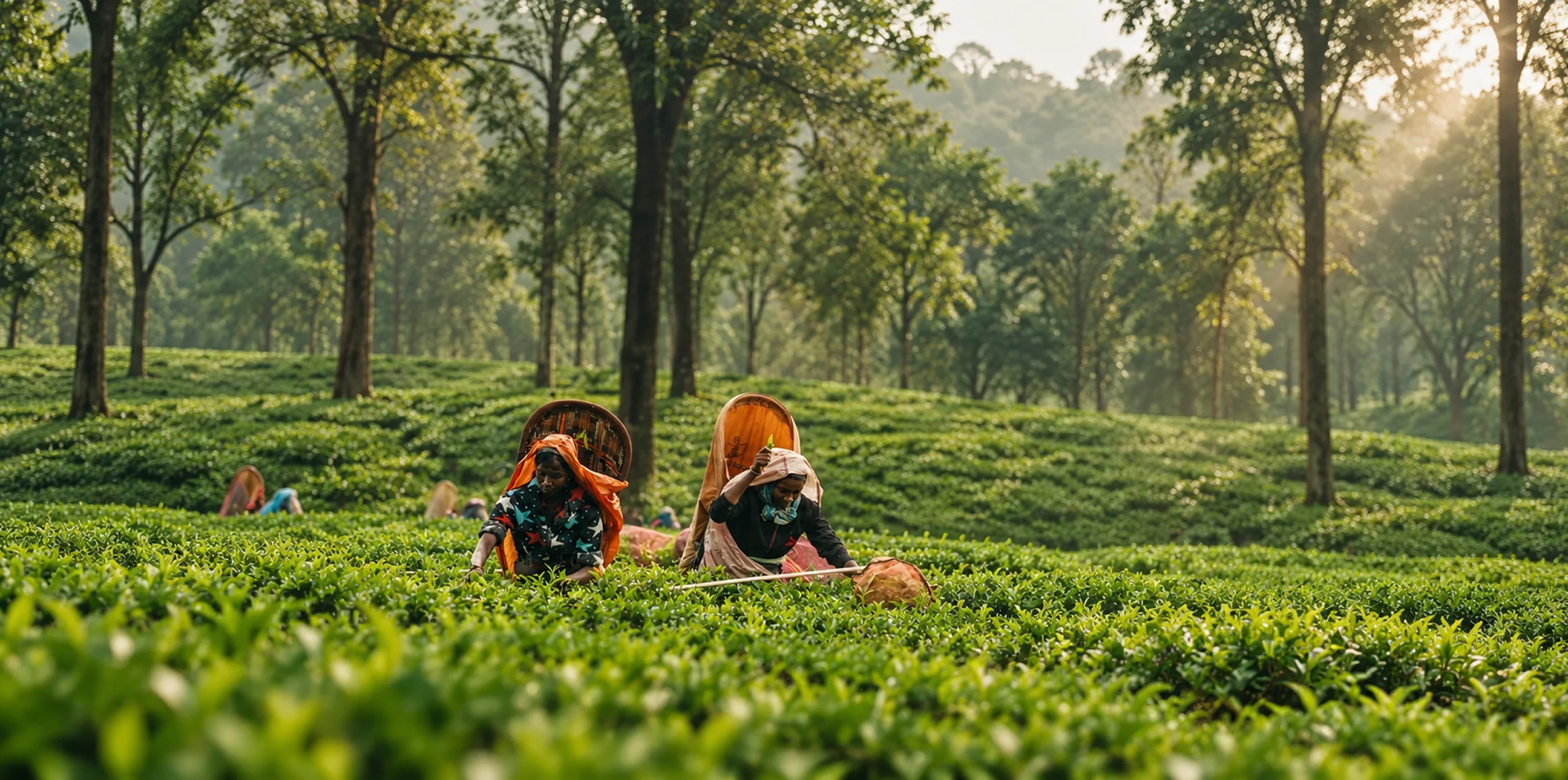
Long before Malabar became famous as the "Spice Coast" of the world, its farmers had already mastered something modern supply chains often overlook, timing. Spices aren't harvested on demand; they're harvested when nature says they're ready. And that single fact shapes everything about how NMDC sources, processes and delivers spices to your kitchen, season after season.
Why Timing Is Everything in Spice Harvesting
Unlike factory-manufactured products, spice quality is deeply tied to its harvest season. Pick pepper too early and it lacks the pungency and oil content that gives it character. Harvest cardamom pods before they're fully mature and the aroma falls flat. Ginger dug up out of season loses the fibrous freshness that makes it valuable, both as a spice and a rhizome for planting. This is why seasonal harvesting isn't a limitation, it's the foundation of spice quality.
Pepper: The Monsoon-to-Winter Harvest
Kerala's black pepper is typically harvested between December and February, once the berries turn from green to a deep reddish hue, signalling peak oil and piperine content (the compound responsible for pepper's heat). Harvesting too early results in shriveled, low-quality peppercorns; harvesting too late risks losing berries to overripening and pest damage. NMDC's sourcing calendar is aligned to this exact window, allowing us to procure pepper at its peak, not before, not after.
Cardamom: The Queen of Spices, Harvested in Cycles
Cardamom doesn't ripen all at once, it matures in multiple picking cycles across August to February, with pods harvested individually as they reach the right maturity. This labour-intensive process is precisely why authentic cardamom carries a premium; each pod represents careful, repeated attention rather than a single bulk harvest. NMDC works with growers who follow this cyclical harvesting method, ensuring the cardamom that reaches you retains its signature aroma and oil concentration.
Ginger: A Rhizome With a Narrow Window
Ginger is typically harvested between December and January, roughly 8–10 months after planting. Harvested too early, it's watery and underdeveloped; too late and it turns fibrous and loses its characteristic pungency. Freshly harvested ginger also has a shelf-life consideration, which is why timely procurement directly after harvest matters for both flavour and shelf stability.
How NMDC Ensures Freshness Year-Round
With multiple spices harvested at different times of the year, freshness isn't about one big harvest, it's about coordinating a sourcing calendar across regions and crop cycles. NMDC's approach includes:
- Timing procurement to each spice's specific harvest window
- Sourcing directly from Malabar's local farmers who understand traditional harvesting cues
- Proper drying, cleaning and storage practices immediately after harvest to lock in oils and aroma
- Staggered sourcing across growing regions to maintain consistent stock availability throughout the year
This is how we're able to offer spices that taste like they were harvested yesterday, even months after the season ends.
Why This Matters When You Cook
The difference between a spice that's been sitting in a warehouse for a year and one sourced with seasonal precision is noticeable in aroma, in potency and in how little you need to get the flavour right. When you use NMDC spices, you're tasting the outcome of a calendar built around nature's own timeline, not a factory's convenience. That's the journey from Malabar to your kitchen. Season by season, harvest by harvest.
Frequently Asked Questions
1. Why does the harvest season affect spice quality?
Spices develop their aroma, oil content and potency at specific stages of maturity. Harvesting too early or too late affects flavour, pungency, and shelf life, which is why timing is critical to quality.
2. When is black pepper harvested in Kerala?
Kerala's black pepper is typically harvested between December and February, once the berries reach peak oil and piperine content.
3. How is cardamom harvested differently from other spices?
Cardamom is harvested in multiple picking cycles between August and February, as pods mature individually rather than all at once, making it a more labour-intensive, premium spice.
4. How does NMDC ensure spice freshness throughout the year?
NMDC aligns procurement with each spice's specific harvest window, sources directly from local Malabar farmers and follows proper post-harvest drying and storage practices to preserve freshness.
5. Are NMDC spices sourced locally from Kerala?
Yes. NMDC sources its spices directly from farmers across the Malabar region, staying true to traditional harvesting practices that have defined Kerala's spice heritage for generations.